Why UGC Outperforms Traditional Ads in 2026
Polished commercials get skipped. Real people holding real products get watched. Here is what changed — and what it means for your next campaign.

If you have opened Instagram or TikTok this week, you have already felt it. The ads that stopped you were not the ones with cinematic drone shots and a voice-over. They were the ones that looked like a friend telling you about something they actually use.
That shift is not a fluke. It is the biggest change in performance marketing since the move to mobile — and in 2026 it is showing up on every dashboard I see.
What actually changed
Audiences have been trained by a decade of social feeds to spot advertising in the first half-second. Traditional creative telegraphs "ad" through lighting, framing, and tone. That signal now triggers a skip almost automatically.
UGC bypasses that filter because it lives in the same visual language as the rest of the feed. A creator on their kitchen counter, natural light, one clean take — the brain reads it as a person, not a pitch. That extra second of attention is where conversion happens.
The numbers brands keep quoting to me
- UGC-style creative consistently outperforms studio ads on click-through and hold time across TikTok, Reels, and Shorts.
- Cost per acquisition drops when the same offer is reshot as UGC — often by 30-60% for direct-to-consumer brands.
- Testing velocity goes up. Ten UGC angles from one creator gives a media buyer more to iterate on than one perfectly polished spot.
Why 2026 in particular
Two things collided this year. First, AI-generated creative flooded feeds, which made anything obviously synthetic feel cheap. Second, platform algorithms leaned harder into watch time. Together, they turned authenticity into a ranking signal, not a stylistic preference.
That is a rare moment where the thing that feels most human is also the thing that performs best. Brands that lean into it now build a library of native creative they can keep testing for the next year.
How to actually use UGC well
The mistake I see most: brands treat UGC as a cheaper commercial. It is not. It is a different format with different rules. Give creators the product, the hook you want tested, and the freedom to shoot it the way they would talk about it to a friend. Then let the media buy do its job.
The brands winning right now are running five to ten UGC variations per launch, not one hero asset. They are treating the creator like a partner in the concepting, not a hired hand for the final take.
Keep exploring

Why Authentic Content Converts Better Than Perfect Content
The unpolished take often outperforms the studio cut. Here is what "authentic" actually means in a paid-media context — and how to brief for it.
Read Article →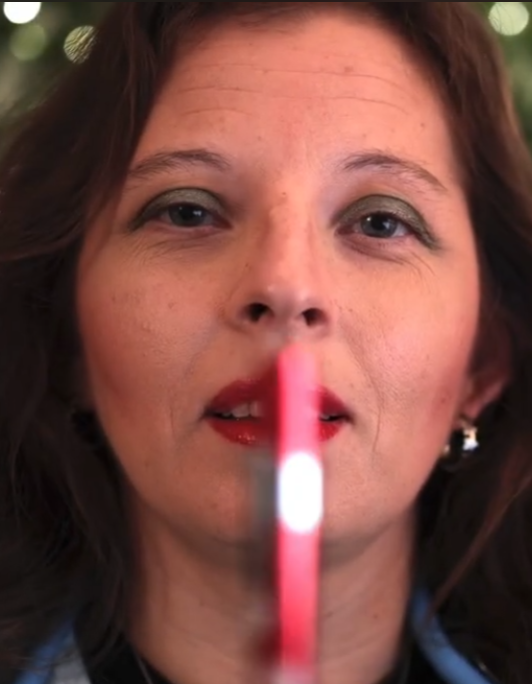
The Difference Between an Influencer and a UGC Creator
They get lumped together, but they are two different products doing two different jobs. Here is how to decide which one you actually need.
Read Article →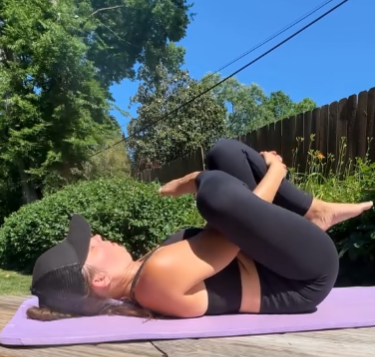
Is UGC Worth It for Small Businesses?
The honest answer for a small brand founder wondering whether UGC is a real lever or just a line item.
Read Article →Let's Create Something PeopleActually Want to Watch.
Tell me a little about your brand and what you're trying to make. I read every message myself and typically reply within 24–48 hours.
Direct
amandameganperez@gmail.com